
A question landed in my inbox recently from someone curious about building their speaker brand:
“I’ve always felt drawn to the stage, but I don’t know how speaking connects with me specifically. What kind of businesses, careers, or opportunities actually exist when you take speaking seriously?”
And honestly?
I think this is one of the most important questions someone can ask.
Because most people assume speaking is the destination. They imagine keynote stages, conference lanyards, professional headshots, and maybe a few rounds of applause.
But after years of building my own speaker brand—and helping hundreds of entrepreneurs, creatives, leaders, and change-makers build theirs—I’ve learned that speaking is rarely the end goal.
It’s often the beginning.
The stage isn’t just where you share your ideas. It’s where other people discover them. And when more people discover your ideas, opportunities start appearing that you couldn’t have planned for in advance.
That’s why I don’t believe speaking is simply a skill.
I believe it’s a vehicle.
A vehicle for visibility.
A vehicle for thought leadership.
A vehicle for impact.
And sometimes, a vehicle for building an entirely different future than the one you originally imagined.
The Biggest Misconception About Becoming a Speaker
One of the most common assumptions I see is that people think they need to figure out how to become a professional speaker before they can start speaking.
But I would argue the opposite.
You don’t need to know exactly where speaking will lead before you begin. In fact, most speakers discover the answer by taking action.
When I talk to people who feel called toward speaking, they’re rarely saying:
“My dream is to deliver 50 keynote speeches every year.”
What they’re actually saying is:
“I want to share my story.”
“I want more people to know about my work.”
“I want to create a bigger impact.”
“I want to be recognized for my expertise.”
“I want to stop feeling like the best-kept secret in my industry.”
Speaking becomes the bridge between where they are today and where they want to go.
The challenge is that many people are trying to map out the entire journey before taking the first step. The truth is that speaking often reveals opportunities you couldn’t have predicted from the starting line.
Speaking Creates Visibility in a Way Few Other Marketing Strategies Can
Let’s say you’re a coach.
You could spend months creating content online, hoping the right people discover your work.
Or you could step onto a stage, facilitate a workshop, join a panel discussion, or speak on a podcast and spend twenty minutes sharing your ideas with people who are already paying attention.
The difference isn’t just visibility. It’s the depth of connection.
When people hear you speak, they get to experience your energy, your stories, your perspective, and the way you think.
They begin to trust you faster. They remember you longer. And perhaps most importantly, they start talking about you when opportunities arise.
I’ve seen speakers land clients because someone heard them on a panel six months earlier.
I’ve seen podcast interviews lead to partnerships.
I’ve seen workshop attendees become referral sources.
I’ve seen a single speaking engagement create years of opportunities.
Not because the speaker was trying to sell something. But because they became known for an idea.
The Most Successful Speakers I Know Rarely Sell Speaking
This is where things get interesting.
Many of the most successful speakers I know don’t actually make the majority of their income from speaking fees. Instead, speaking acts as the front door to a larger ecosystem.
For one person, speaking might support a thriving coaching practice.
They speak at industry events, share their expertise, and attract clients who are already aligned with their approach before they ever book a sales call.
For another, speaking opens the door to consulting opportunities. Organizations hear their perspective, recognize a challenge inside their own company, and invite them to help solve it.
I’ve seen speakers turn their frameworks into workshops, training programs, memberships, retreats, books, and licensing opportunities. I’ve seen people become trusted industry voices whose ideas shape conversations far beyond the stage itself.
The speaking creates trust.
The trust creates opportunities.
The opportunities create sustainability.
That’s why I encourage people to think beyond the question of “How do I get more speaking gigs?”
A more powerful question is:
“What opportunities become possible when more people know what I stand for?”
Your Speaker Brand Can Open Doors You Don’t Even Know Exist Yet
This is my favorite part of the conversation because it’s often the least expected.
When people first start building a speaker brand, they often assume the end goal is getting booked to speak at conferences.
And sure, that can absolutely become part of your journey.
But speaking can also become the catalyst for opportunities that extend far beyond the stage.
For some people, speaking helps them grow a business. As more people hear their story, expertise, and ideas, they attract new leads, clients, partnerships, and community members who already feel connected to their work before ever clicking “apply” or booking a call.
For others, speaking becomes the foundation for thought leadership. They begin sharing their ideas publicly, gain visibility in their industry, and eventually write a book that helps them reach an even wider audience.
I’ve seen speakers become trusted consultants for large organizations, turning a single keynote or workshop into long-term advisory relationships that span months or even years.
Others discover they love teaching and find themselves facilitating programs inside colleges, universities, professional associations, or leadership institutes.
Some speakers launch podcasts to continue conversations beyond the stage. Others create retreats, host conferences, or build communities where people can connect around a shared mission.
I’ve also seen speakers step into roles they never expected. They become in-house coaches within organizations, lead employee development initiatives, or land corporate positions because their visibility and expertise make them the obvious choice when opportunities arise.
And yes, for some people, speaking itself becomes the career. They travel around the world speaking at conferences, facilitating workshops, and delivering trainings inside organizations while building a life that allows them to share their message on a larger scale.
As their visibility grows, new opportunities often emerge: media appearances, brand partnerships, content creation deals, expert commentary, television opportunities, and invitations to contribute to conversations happening at a national or even global level.
The beautiful thing is that none of these paths require you to choose your final destination today.
Most people don’t begin their speaker journey knowing exactly where it will lead.
They start by sharing their voice.
The opportunities tend to reveal themselves along the way.
Speaking Is Really About Becoming Known for Your Ideas
At its core, speaking is an act of thought leadership. And before you tell yourself you’re not a thought leader, hear me out.
Thought leadership isn’t reserved for celebrities, bestselling authors, or people with massive audiences. It’s simply the practice of contributing ideas that help people think differently.
You already have the foundation for thought leadership if you have experiences, expertise, stories, observations, or perspectives that could help someone else. Every time you speak, you’re sharing a lens through which people can better understand themselves, their work, or the world around them.
Over time, those ideas become associated with you.
People remember the framework you shared.
They remember the story that changed how they viewed a problem.
They remember how you made them feel.
Eventually, they begin recommending you because of those ideas.
That’s the real power of speaking.
Not becoming famous.
Becoming known.
Speaking Can Help You Build a Life, Not Just a Business
This is the piece I wish more people talked about.
One of the reasons I’m so passionate about helping people enter their Speaker Era is because speaking can create opportunities that align with the life you actually want to live.
For some people, that means traveling the world and speaking at conferences. For others, it means speaking locally a few times each year while building a business that gives them more flexibility and freedom.
Some people want to grow a coaching practice. Others want to advocate for a cause they care deeply about.
Some want to become recognized experts in their field. Others simply want more opportunities to share stories and connect with people.
The goal isn’t for everyone’s speaker journey to look the same. The goal is to create visibility that supports the future you’re intentionally building.
That’s why I’m always talking about sustainable visibility.
Because the point isn’t to be everywhere. The point is to be seen in the right places by the right people.
When that happens, speaking stops feeling like another marketing tactic and starts becoming a powerful tool for creating a life-first business.
A business that supports your values.
A business that creates impact.
A business that leaves room for making new memories.
For Underrepresented Voices, Speaking Is Often Bigger Than Business
As a Latina and queer entrepreneur, I know what it’s like to walk into rooms and not see yourself reflected on the stage. I know what it’s like to wonder whether your story belongs in the conversation. And I know firsthand how powerful it can be when someone who shares your lived experience steps up to the microphone.
For many speakers, the motivation goes far beyond revenue or visibility.
- They’re speaking because they want others to feel seen.
- They’re sharing stories that create belonging.
- They’re challenging assumptions about who gets to be considered an expert.
- They’re opening doors that weren’t always open for them.
Every time a new voice takes the stage, the conversation becomes richer. The possibilities become bigger. And someone in the audience gets to see a future they may not have imagined for themselves before that moment.
That’s impact.
And it’s one of the most beautiful outcomes of taking your voice seriously.
So, What Kind of Future Can Speaking Create?
The honest answer is that there isn’t one path. There are hundreds.
Your speaker brand might lead to coaching clients, consulting contracts, leadership opportunities, media features, partnerships, workshops, retreats, books, or entirely new ventures that don’t exist on your vision board today.
Or it might simply help you become known for your ideas and connect with people who deeply resonate with your message.
Both are valuable.
Both matter.
And both have the potential to change the trajectory of your business and your life.
Because entering your speaker era isn’t really about becoming a speaker. It’s about deciding that your ideas are worth sharing. It’s about trusting that your story has value. It’s about creating opportunities, impact, and connection by becoming more visible in the conversations you’re meant to be part of.
The speaking gigs are one outcome.
The real transformation happens when you realize that your voice can open doors far beyond the stage itself.
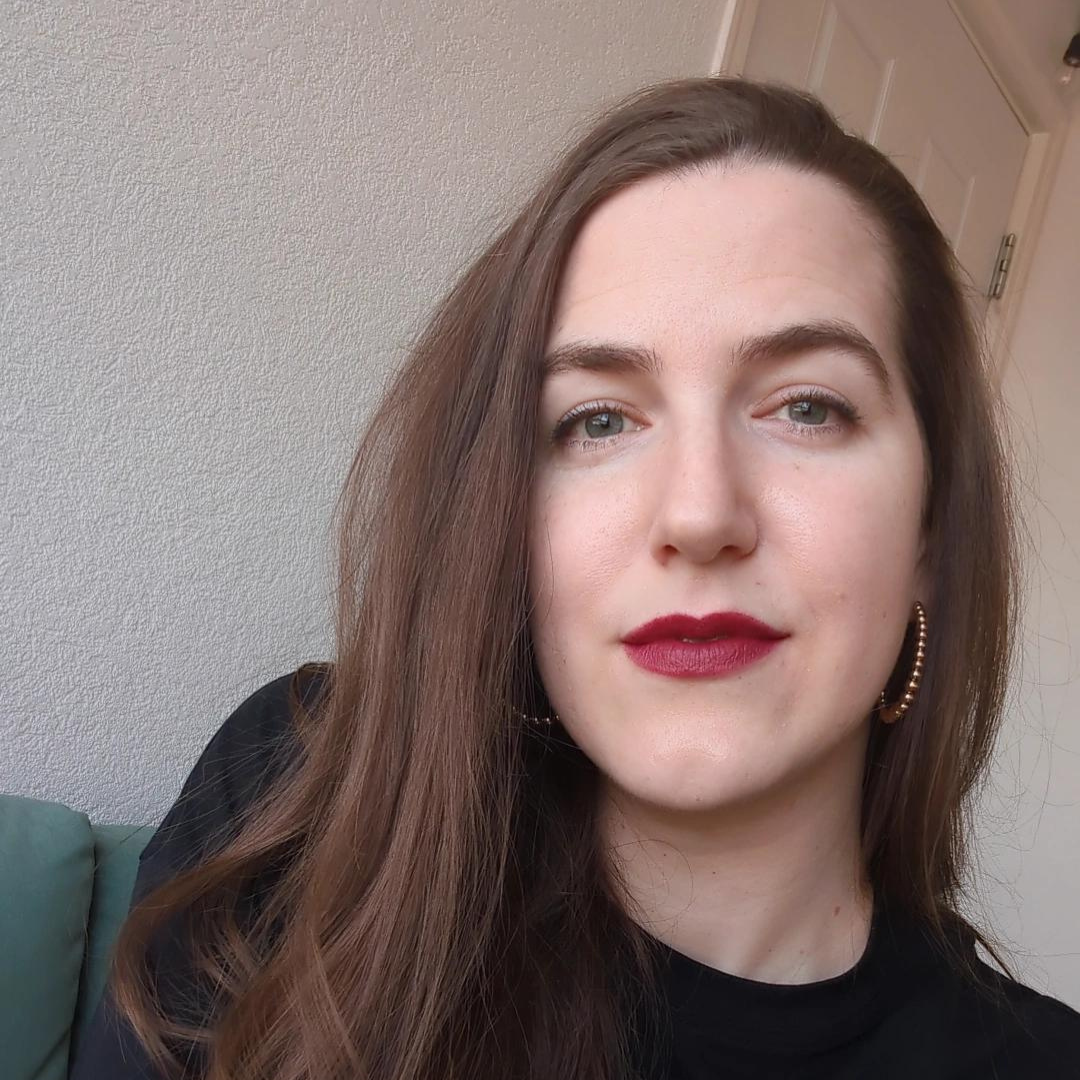
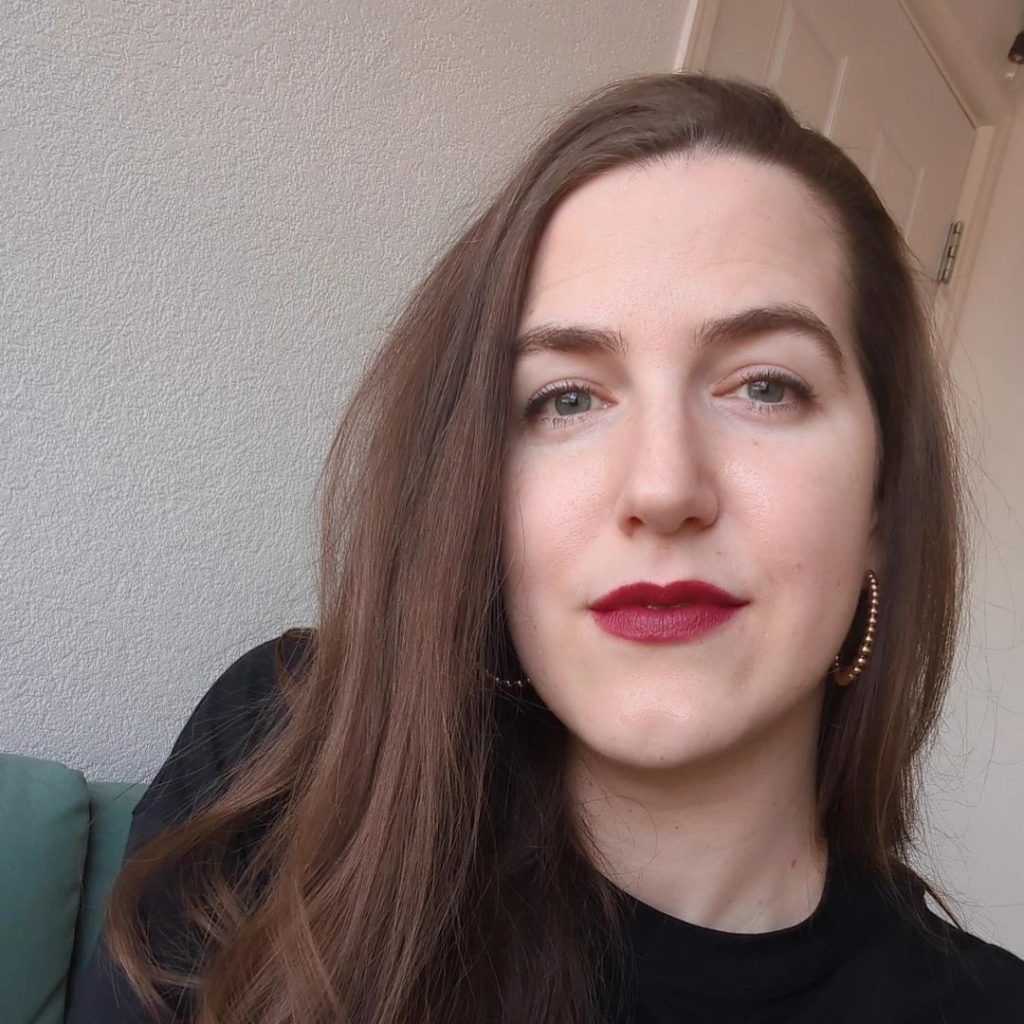
Steph (she/her/ella) is a Latina Speaker, Coach, and Founder of the Speaker Movement—on a mission to help underrepresented folks confidently embrace their Speaker Era to grow their brand and amplify their impact.
Beyond the business, you can find her embracing the small moments in life with a big glass of vino tinto, dancing bachata, and making new memories with her wife and baby boy.
Steph Wharton
Steph (she/her/ella) is a Latina Speaker, Coach, and Founder of the Speaker Movement—on a mission to help underrepresented folks confidently embrace their Speaker Era to grow their brand and amplify their impact. Beyond the business, you can find her embracing the small moments in life with a big glass of vino tinto, dancing bachata, and making new memories with her wife and baby boy.



1 comment
ExoWatts
July 08, 2026Great content! Keep up the good work!